The choice between burial and cremation is not just a financial or practical decision for many families—it is deeply personal and often tied to faith. For Christians, this choice can raise questions about biblical teachings, traditions, and what really matters after death. With the rate of cremation rising rapidly across the US, more believers are considering this decision than ever before. That means understanding spiritual, cultural, and practical things is important. Here are 12 important things to consider carefully before choosing cremation.
1. The Bible Does Not Clearly Forbid Cremation
One of the most important truths for Christians to understand is that the Bible does not specifically forbid cremation. Many people think that it is forbidden, but that is not supported by the Scriptures. In fact, biblical scholars widely agree that there is no commandment for or against cremation.
This can reassure you if you are worried about making a spiritually “wrong” decision. At the same time, the absence of law means that believers must rely on broad biblical principles. That often includes prayer, personal conviction, and guidance from church leaders.
2. Burial was in Bible times
Although cremation is not prohibited, burial was clearly a prominent practice in the Bible. Prominent people like Abraham, Moses, and even Jesus were buried, not cremated.
There are hundreds of references to burials compared to cremations.
For many Christians, this historical pattern has a symbolic meaning. It shows tradition, respect for the body, and continuity with the early believers. That doesn’t make cremation bad—but it does explain why some feel strongly about burial.
3. The Question of Resurrection is Important to Many Believers
Some Christians worry that cremation may affect the resurrection, but many theologians say the worry is unnecessary. Scripture teaches that God can restore the body regardless of its condition.
Whether someone is buried, cremated, or lost at sea, the resurrection is still possible. This belief is based on faith in the power of God, not the remains of the flesh. For many families, understanding this takes away a lot of fear. It takes the focus off of “how” the body is treated depending on what Christians believe about eternal life.
4. The body is considered sacred
Christian teaching emphasizes that the human body is part of God’s creation. That belief can influence how others view cremation. Some feel that burial is a better way to show respect for the body as something that God will restore. Others point out that natural decay occurs either way over time. This is where self-confidence plays a big role. The question becomes less about rules and less about how you show respect and faith in your decision.
5. Church Denominations Can Be Different
Not all Christian denominations view cremation the same way. Some branches have historically opposed it but now allow it under certain conditions. For example, many Protestant churches accept cremation as a practical matter. The Catholic Church also allows it, although it has guidelines regarding the handling of remains. On the other hand, some Orthodox traditions still discourage or forbid it. Understanding your congregation’s position can help guide your decision and avoid future conflicts.
6. Culture Still Carries Weight
Christian burials have been practiced for centuries and are closely related to culture. Historically, cremation was often avoided because it was associated with non-Christian traditions. Even today, some families feel that burial shows a strong connection to their faith heritage. This can be especially important during difficult emotional times. At the same time, modern ideas are developing. Many believers now balance culture with practicalities such as cost and convenience.
7. Cremation is Very Common
Cremation has become more popular in recent years, even among Christians. In fact, it has surpassed burial in the US and continues to rise. This change is largely driven by cost, flexibility, and changing attitudes. Families often choose cremation because it is easy to arrange and inexpensive. Seeing others make this choice can also make you familiar within religious communities. However, popularity does not replace personal conviction, which is always important.
8. Costs Can Influence the Decision
Funeral expenses can be a big factor, especially for families on a budget. Traditional burials often include costs such as caskets, plots, and embalming. Cremation is relatively inexpensive, making it an attractive option for many families. This may be particularly relevant for retirees or families with tight finances. For Christians, the challenge is balancing stewardship with spiritual values. Saving money is important—but so is making a decision that aligns with your beliefs.
9. Memorial Options Are More Compatible with Cremation
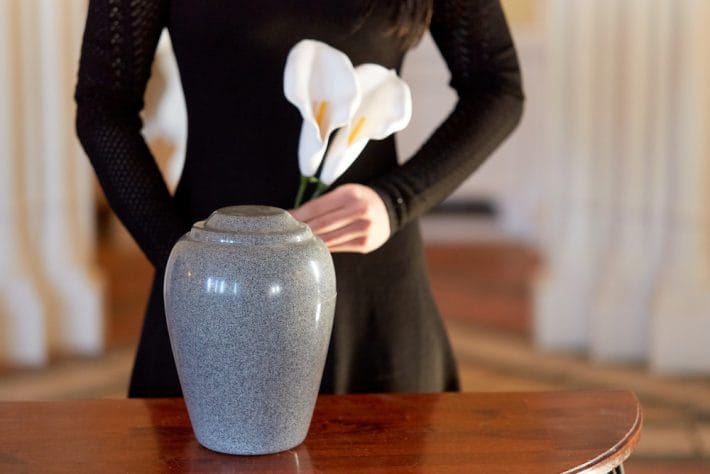
Cremation offers more flexibility when it comes to memorial services and final arrangements. Families can hold services at different times or places. Ashes can be buried, kept in a memorial, or placed in a memorial, depending on your preference. However, some churches have guidelines about how remains should be handled. It is important to understand this before making final plans. Flexibility can be comforting—but it also requires thoughtful decisions about honoring the deceased.
10. Emotional and Family Considerations Are Important
End-of-life decisions often affect more than the individual—they affect the entire family. Some relatives may feel strongly about burial due to culture or beliefs. Others may choose cremation for practical or personal reasons. These differences can cause friction if not discussed in advance. Having open, honest conversations early on can prevent conflict later and ensure that everyone feels heard.
11. Symbolism Plays a Powerful Role
Burial often symbolizes rest, waiting, and hope for the resurrection. On the other hand, cremation may sound symbolic to some believers. That doesn’t mean it has no meaning—it just represents something different. Some Christians view burial as a visible expression of faith in eternal life. Some view cremation as a practical matter without spiritual conflict.
12. Your Intention and Belief Are Very Important
Ultimately, many Christian leaders agree that your purpose is more important than the method. Choosing cremation does not separate a person from God or affect salvation. The most important thing is your relationship with Christ and the faith you have in life and death. For many believers, this truth brings clarity and peace. It allows you to focus on honoring your loved one in a meaningful way rather than worrying about rules that don’t exist.
A Faith-Based Decision That Deserves Careful Consideration
The choice between burial and cremation is not a decision to be rushed or taken lightly. It involves faith, family, finances, and deep personal beliefs all at once. The Bible provides guidance, but it also leaves room for personal conviction and prayerful reflection. By understanding both the spiritual and practical sides, you can make a decision that feels right for you and your loved ones.
What are your thoughts on cremation versus burial from a Christian perspective—would you choose one over the other?
What to Read Next
Funeral Costs Up 11%: Little-Known Benefits Seniors Can Still Want to Cut Final Costs
Why So Many Families Are Struggling to Pay for Funerals in 2026 — 9 Warning Signs and 5 Solutions
Why Widows Take on Unexpected Debts After Funeral Expenses