
One fall can change everything during retirement. It can have a huge impact on your health, your independence, and your finances. While Medicare it covers most medical expenses, not everything related to fall prevention or recovery. Many seniors are surprised to learn that some safety equipment, home modifications, and some preventative measures come out of pocket. That means a single accident can lead to hospital bills, medical expenses, and unexpected expenses that add up quickly.
Medicare offers important benefits related to falls, but there are clear gaps. For example, Part B includes a fall risk assessment during health visits, to help identify potential risks early. It may also cover physical or occupational therapy if deemed medically necessary after an injury or accident assessment.
However, Medicare generally does not cover home safety improvements such as grab bars, ramps, or non-slip flooring. Even devices like medical alert systems (often used after a fall) are rarely covered under Original Medicare. But knowing what’s included, and what can help you avoid falling completely, is important.
Why Prevention Is More Important Than Cure
Falls are one of the leading causes of injury in older adults, and recovery can be long and expensive. Even with Medicare, you may still pay deductibles, copays, and medical coinsurance. Preventing a fall is almost always less expensive than treating it after it happens. That’s why experts emphasize practical measures such as exercise and improved home security. Here are four exercises that can help you avoid costly injuries.
1. Balance Exercises That Improve Stability
Balance is one of the biggest factors in preventing falls. Simple movements like standing on one foot or walking heel to toe can strengthen your stability. Programs like Tai Chi specialize in improving coordination and reducing the risk of falls. These exercises help your body react quickly when you lose balance. Regular exercise can greatly reduce your chances of falling.
2. Strength Training to Protect Your Body
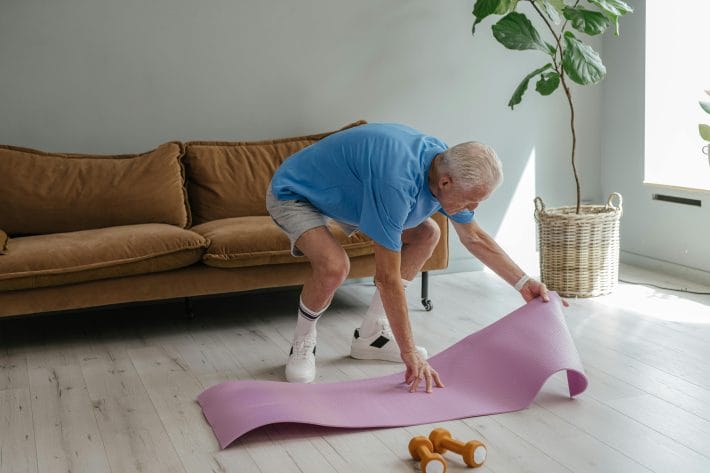
Building muscle strength is important as you get older. Exercises such as light weight lifting or band exercises can improve your ability to hold yourself up during a trip. Stronger legs and core muscles make everyday movements safer and more controlled. Even physical exercises like squats or seated leg raises can make a difference.
3. Flexibility Exercises to Prevent Trips and Strains
Flexibility plays a big role in how your body moves and reacts. Stretching helps maintain your range of motion and reduces stiffness that can lead to falls. Yoga is a great practice because it combines flexibility, balance, and strength. Better flexibility also helps you recover faster if you stumble. In the long run, this can reduce both the risk of injury and the cost of recovery.
4. Travel Plans to Keep You Going
Walking may seem simple, but it is one of the most powerful tools for preventing falls. Regular walking improves cardiovascular health, balance, and coordination. It also helps maintain bone strength, which reduces the severity of injury if a fall occurs. Many seniors benefit from organized walking routes or community walking groups.
Independence Begins With Restrictions
Many seniors believe that Medicare will fully cover all fall-related needs. In fact, coverage is more focused on treatment than prevention. Things like grab bars, safety flooring, and warning systems are usually not included. Some think that treatment is always covered, but it must be medically necessary and prescribed. However, there are a few things you can do to prevent falls altogether.
Talk to your doctor, invest in home security improvements, and incorporate some of these daily exercises into your routine. They can make a big difference. At the end of the day, fall prevention isn’t just about staying safe. It’s about maintaining your independence.
Have you taken steps to prevent falls in your home, or have you experienced something that changed your routine? Share your story in the comments.
What to Read Next
28% of Falls Happen in the Bathroom — Simple Fixes That Reduce Risk
10 Fall Hazards Hidden in Plain Sight in Your Home
This Common Pain Medicine Is Now Linked to Higher Risk of Falls in Adults Over 65

Drew Blankenship is a seasoned automotive expert with over 20 years of hands-on experience as a Porsche technician. Although Drew writes mostly about cars, he also applies his knowledge to writing about money, technology and relationships. Based in North Carolina, Drew still fuels his passion for motors by following Formula 1 and spending weekends under the hood when he can. He lives with his wife and two children, who occasionally remind him to take a break from rebuilding engines.