


Michele Lucato
8 May 2026
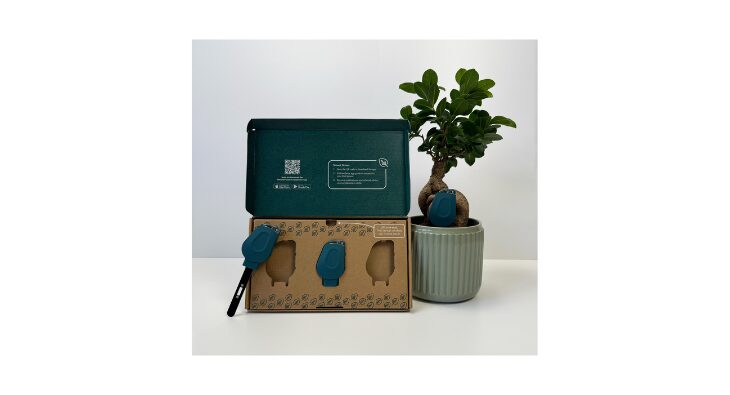
We’re giving one lucky MoneyMagpie reader the chance to win a bundle of three SmartyPlants sensors, making plant care effortless!
the prize
SmartyPlants is a plant sensor designed to take the guesswork out of houseplant care. It monitors key factors such as light, humidity, temperature, humidity and nutrients, and translates that data into simple, actionable guidance sent directly to your phone through the free SmartyPlants app, helping plants grow with minimal effort.
With millions of houseplant owners in the UK and up to 90% of plant problems caused by easily fixable problems, SmartyPlants offers a simple and effective solution.
SmartyPlants is a hassle-free way to keep houseplants healthier and happier. The nifty device has non-rechargeable batteries that provide three months of use on a single charge and WiFi connectivity that lets you log in anywhere.
To enter just answer the question below.
WIN! SmartyPlants sensor bundle
The competition closes on Thursday 28th May 2026 at midnight. The winner will be announced on our contest winners page. Good luck everyone!
Conditions
- This competition is promoted by MoneyMagpie (the “Promoter”).
- Entry to the competition is open only to United Kingdom residents aged 18 or over. No purchase necessary.
- The prize is provided by SmartyPlants.
- The competition is not open to employees (and their families) of MoneyMagpie or partners SmartyPlants, their agents or related external parties directly connected with the administration of the competition.
- The Promoter will not be liable for lost or late competition entries.
- Only one entry per person allowed for the duration of the competition. Multiple entries by one person (including but not limited to using multiple email addresses) will be considered invalid and will result in disqualification.
- The winner will be selected at any time by an independent judge and will be notified by email or phone. The judge’s decision is final and no correspondence will be entered into.
- By entering the competition you agree to be contacted by the Promoter and the awarding company. Following such notification, the winner will be required to send the Promoter full details of their postal address to which the prize will be delivered (if applicable) and a contact number. You consent to your information being passed to the company offering the prize for delivery.
- The winner consents to the use of their name and image in any material associated with the competition, and their entry.
- If the Promoter is unable to: (a) contact the winner (with details provided on the date of entry) within 5 working days or (b) the winner does not return their postal address details to the Promoter within 10 days of notification that they have won the Prize, the Promoter will redraw a new winner until a winner is determined in accordance with these terms.
- Please note, we will only contact the winner directly via email from the @moneymagpie.com email address. We never reach out to people through social media comments so if you receive a communication via social media, please ignore it and report it [email protected]