
Indian cities are developing rapidly, and so are the challenges of daily commuting. Traffic congestion, rising fuel costs, and environmental concerns are making commuters rethink their transportation choices.
Electric scooters are no longer just a trend; they become an effective solution that combines efficiency, affordability, and sustainability. for An EV scooterthese developments reduce environmental impact and improve comfort, reliability, and flexibility in everyday urban travel.
Understanding how these vehicles influence urban mobility provides important insight into why they are changing the way people move in modern cities. Let’s take a look at how EV scooters are changing urban mobility, from environmental benefits to smart technology integration.
How EV Scooters Contribute to Clean and Green Cities
Electric scooters contribute to cleaner, greener urban mobility in several ways:
- Reducing Greenhouse Gas Emissions
EV scooters produce zero tailpipe emissions, which helps reduce carbon dioxide and other greenhouse gases. This reduces the environmental impact of daily commuting and supports the city’s overall sustainability goals.
Reduced emissions also reduce smog and improve visibility in congested traffic areas. In the long run, this contributes to long-term climate mitigation and is consistent with global sustainability goals.
By replacing gasoline-powered scooters, EV scooters reduce harmful emissions such as NOx and particulate matter in congested urban areas.
Clean air contributes to better respiratory and cardiovascular health for city dwellers. Consistent adoption of EV scooters could significantly reduce air pollution-related hospitalizations.
- Reduction of Noise Pollution
Electric motors run quietly compared to conventional combustion engines, reducing noise on busy roads.
Quiet streets improve the overall urban atmosphere and reduce stress levels for both pedestrians and residents. It also encourages more walking and cycling, improving community well-being.
- Low Dependence on Fat
EV motorcycles rely on electricity rather than gasoline or diesel, reducing fuel consumption.
This change promotes energy diversification and reduces dependence on imported fuels. In the long run, it also supports sustainable energy planning and reduces the environmental costs of urban transport.
How EV Scooter Technology Drives Smarter and Greener Urban Mobility
Modern EV scooters use technology to improve the ride for individual riders and improve urban mobility and sustainability. Innovative methods include:
- Intelligent battery management for optimal mobility
Advanced battery systems optimize energy consumption, charge cycles, and range projections, ensuring that riders can navigate city routes reliably.
Efficient batteries reduce the need for frequent charging stations and help reduce overall electricity demand, supporting sustainable energy use in cities. They also extend battery life, reducing replacement costs and electronic waste. By ensuring consistent power supply, commuters experience fewer interruptions and a smoother commute.
- Flexible ride modes for city traffic
Modes like Eco, Comfort, and Sport adjust power delivery to match traffic and road conditions. By reducing energy consumption and speeding up acceleration, these methods improve flow in congested areas, reducing traffic pressure and urban congestion.
Riders can switch modes for peak-hour efficiency or more power when needed, making commuting safer and more efficient. Dynamic mechanisms also reduce wear and tear on parts, extending the life of the scooter.
High-performance motors deliver smooth acceleration, improved hill climbing, and responsive handling while minimizing power loss.
Efficient motors reduce energy consumption per trip, helping cities reduce carbon emissions and improve sustainability in densely populated areas. Riders benefit from consistent torque and responsive handling in all types of traffic and road conditions.
Over time, energy-efficient engines reduce operating costs and contribute to long, worry-free travel.
- Reduced Downtime for Seamless City Travel
EV scooters feature simple drivetrains with fewer moving parts, reducing the likelihood of mechanical problems and the need for frequent servicing.
Less time spent on maintenance means riders can rely on their e-scooters for daily commutes, improving overall mobility efficiency. Reduced servicing requirements also reduce the use of replacement parts, engine fluids, and other maintenance materials, supporting sustainable urban transportation processes.
- Communication and application integration
IoT-enabled features and compatible applications enable remote monitoring of scooter performance and navigation assistance.
Connected scooters provide data that can support city planners by revealing traffic patterns, popular routes, and trends in energy use. This helps cities improve infrastructure and reduce congestion.
For passengers, the apps also provide location alerts, route optimization, and predictive maintenance tips, improving safety, efficiency, and long-term usability.
Smart and Sustainable Urban Mobility with EV Scooters
Modern EV scooters are more than just vehicles; they provide a cleaner, quieter, and more efficient city commute solution. By combining advanced battery systems, flexible riding modes, intelligent connectivity, and energy-efficient motors, these motorcycles are transforming the daily commuting experience while supporting sustainable urban development.
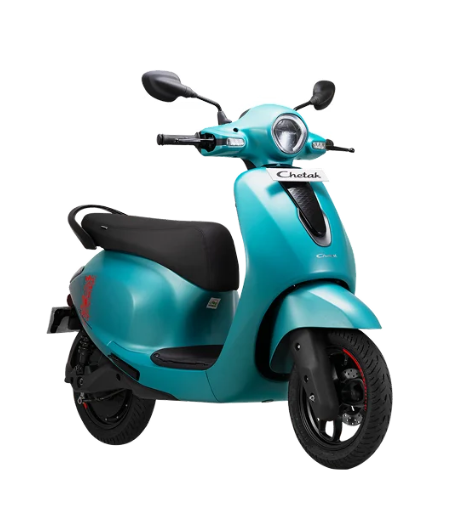
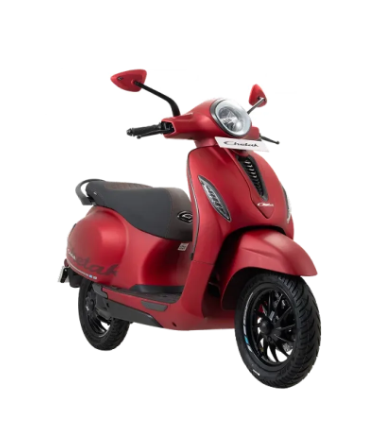
Premium models, including options like the Bajaj Chetak, show how technology can be seamlessly integrated to improve performance, safety, and passenger convenience. Understanding how EV scooters contribute to reduced emissions, improved energy use, and smart urban planning helps riders make informed decisions.
Choosing a model that balances environmental impact, technological innovation, and practicality ensures a smoother, safer, and more sustainable travel experience. This creates long-term value for both commuters and urban communities.