
How New Medicare Reform Policies Could Lower Out-of-Pocket Costs of Weight Loss Medications

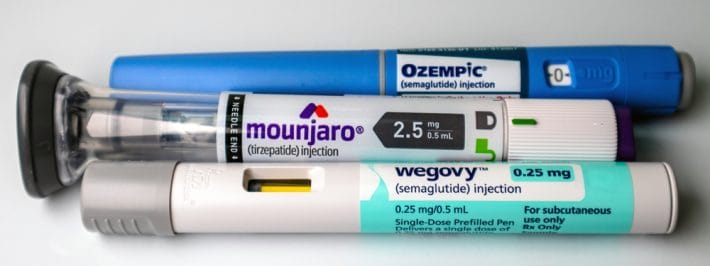
For years, many seniors and retirees have faced a frustrating reality: Popular GLP-1 drugs like Wegovy and Zepbound can cost more than $1,000 a month when prescribed for weight loss. That financial hurdle has left many Medicare beneficiaries feeling stuck, especially as obesity-related health conditions continue to drive up medical costs and reduce quality of life. Now, new Medicare reform policies are creating a possible path to lower out-of-pocket costs for eligible patients through a temporary program known as the Medicare GLP-1 Bridge program. The changes could significantly reduce monthly drug costs for eligible beneficiaries starting in mid-2026, while also laying the groundwork for broader long-term coverage in the future.
Why GLP-1 Coverage Is So Limited Under Medicare
Many Medicare recipients thought that weight loss medications would eventually be covered in the same way that diabetes medications are covered, but federal rules have historically blocked that access. Medicare Part D generally does not cover drugs prescribed only to treat obesity, even if the same drug is covered for diabetes or heart disease. That created confusion because drugs like Wegovy and Ozempic belong to the same family of GLP-1 drugs but may receive different coverage depending on the diagnosis associated with the prescription. Some seniors only find out about this issue after they get to the pharmacy and see huge out-of-pocket charges that exceed their monthly grocery budget. Medicare continued to cover GLP-1 drugs for certain FDA-approved conditions, such as Type 2 diabetes, cardiovascular disease, and asthma, but not for weight loss alone.
Medicare GLP-1 Bridge May Change Monthly Costs
The biggest development is the interim Medicare GLP-1 Bridge demonstration program announced by CMS. Beginning July 1, 2026, eligible Medicare beneficiaries with Part D coverage may gain access to certain GLP-1 drugs for a monthly copayment of $50 instead of the high price many patients currently face. CMS said the program is designed to serve as a transition toward a larger, long-term program known as the BALANCE Model, which could expand access to obesity treatment in the coming years. The interim bridge plan operates outside of the regular Medicare Part D payment structure, meaning participating patients will work through a centralized processing system rather than relying solely on their individual drug plan. For many retirees living on fixed incomes, the difference between a $50 copay and a four-figure pharmacy bill can make a big difference in how they approach obesity treatment and long-term health management.
Who May Be Eligible for the GLP-1 Low Cost Program
Not all Medicare enrollees will automatically qualify for the new temporary coverage program. CMS has indicated that beneficiaries generally must be enrolled in a Medicare Part D or Medicare Advantage drug plan and meet certain eligibility requirements before approval is granted. Eligibility may depend on body mass index limits and related medical conditions, meaning patients will likely need medical documentation from their doctor showing that treatment is medically appropriate. According to policy guidance discussed by health organizations, patients with obesity-related health risks such as high blood pressure, cardiovascular disease, or sleep apnea may have stricter eligibility criteria than people who want to lose weight solely for cosmetic reasons. Seniors considering these medications should prepare for additional medical evaluations, pre-authorization paperwork, and discussions with both the doctor and Medicare representatives before coverage begins.
Adults Still Need to Understand Risks and Limitations
Even if the new Medicare reform policy sounds promising, beneficiaries should understand that the program still contains significant limitations. The interim bridge program does not permanently change Medicare’s policy on obesity drug coverage, meaning future access may still depend on policy changes or participation plans. Some minimum wage subsidy coverage also may not apply under the bridge system because the index system operates outside of the regular Part D benefit calculations. There are also legitimate medical concerns for older adults, including muscle loss, digestive side effects, drug interactions, and dehydration risks that can worsen with age. Adults should avoid viewing GLP-1 medications as a miracle solution and instead approach them as part of a comprehensive health plan that includes nutrition, exercise, and regular medical monitoring.
Pre-Registration Requirements for Retired Persons
Retirees interested in the Medicare GLP-1 Bridge should start preparing now rather than waiting until enrollment demand increases. A smart first step is to review your current Medicare Part D coverage to confirm your prescription drug enrollment status because participating in the interim plan requires active drug coverage. Patients should also schedule a consultation with their primary care physician or obesity specialist to discuss whether GLP-1 medications are medically appropriate based on their medical history and current medications. It may also be helpful to collect recent medical records showing obesity-related conditions because documentation may strengthen pre-authorization applications once applications are open. Finally, beneficiaries should always be aware of scams because fraud involving Medicare benefits and prescription drugs is already a growing concern, especially among seniors who are targeted by misleading telehealth coverage and false discount programs.
Medicare Finally Moves to Wider Access to Obesity Treatment
The Medicare GLP-1 bridge represents one of the most important changes in obesity treatment policy that Medicare beneficiaries have seen in years. Although the interim plan is not perfect, it could significantly reduce out-of-pocket costs for eligible seniors who previously could not afford these drugs at retail prices. The program also shows that state health officials are increasingly seeing obesity as a serious chronic condition rather than just a lifestyle problem. For retirees struggling with obesity-related medical issues, this temporary coverage may create new opportunities to improve mobility, cardiovascular health, and overall quality of life without facing prohibitive monthly pharmacy costs. As more information emerges in 2026, Medicare beneficiaries who stay informed and proactive may be in the best position to take advantage of new coverage options.
Do you think Medicare should permanently cover GLP-1 weight loss medications, or should coverage be limited to certain medical conditions? Share your thoughts in the comments below.
What to Read Next
GLP-1s Now Linked to Lower Risk of 4 Different Cancer Tumors
8 Weight Loss Drugs Covered by the New Medicare GLP-1 Bridge
Seniors Shocked by GLP-1 Rates: Does Medicare Cover Ozempic or Not?

Amanda Blankenship is the Senior Editor for Regional News. With a BA in Journalism from Wingate University, he regularly writes for several websites and enjoys sharing his personal financial story with others. When not at her desk, she enjoys spending time with her daughter, son, husband, and dog. In his free time, you might find him with his nose in a book, hiking, or playing RPG video games.