

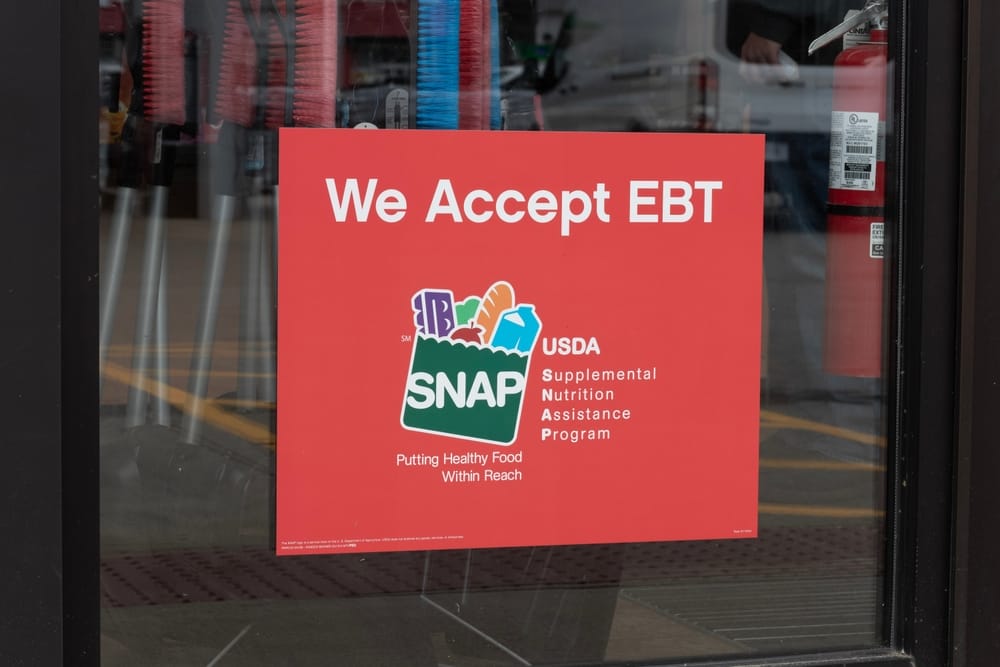
If you are between the ages of 50 and 54 and receiving food assistance, you may have recently received a notice requiring you to work, train, or volunteer to keep your benefits. Under the new law, millions of Americans, including seniors, are now subject to work requirements that did not apply to them before. What surprises many recipients is how quickly these rules are implemented, often during a routine reissue or eligibility test. If you are confused or worried, you are not alone. Here’s what you need to know about these changes.
State Legislation to Expand SNAP Work Requirements for 2026
The biggest change behind the notifications is the expansion of work requirements to a wider age group. Previously, most “able-bodied adults without dependents” (ABAWDs) had to meet these rules until age 54. Now, SNAP’s 2026 work requirements extend that expectation to age 64, pulling in older adults who were previously exempt. This means that adults in their early 50s (who might think they are approaching old age without the law) are now firmly included.
What the 80 Hour Monthly Requirement Really Means
To keep SNAP benefits under the new rules, most recipients must now meet a minimum work threshold. Specifically, individuals must work, volunteer, or participate in training programs for at least 80 hours per month.
This may include part-time jobs, community service, or approved job training programs. If you don’t meet this requirement (and don’t qualify for the exemption), your benefits may be limited to just three months within a three-year period.
Overlooked Law Changes Affecting Caregivers
Another big change that catches people off guard involves caregivers. In the past, having a child under the age of 18 often exempted someone from work requirements. Now, that exemption has been reduced to only apply if the child is under 14 years of age.
This means that many adults aged 50–54 who care for young people need to meet the work rules. One of the most common reasons is that people receive unexpected notifications. The rule change represents a broad tightening of eligibility, but creates confusion for families who were previously eligible.
Who Is Exempt From SNAP Work Requirements
Not everyone has to meet these requirements, and understanding the exemption is important. You may be exempt if you have a disability, are pregnant, or care for a child under the age of 14. People who already work enough hours or participate in certain programs may qualify for an exemption. Seniors 65 and older are generally exempt from these rules. If you believe you are eligible for an exemption, it is important to report it immediately and provide documentation.
How to Respond When You Receive a SNAP Job Notice
If you get a notification, don’t ignore it. Start by reading the book carefully and see what is required of you. Contact your local SNAP office or staff member to clarify any confusion and confirm your status. If you are working, volunteering, or studying, make sure you keep a record of your hours. If you believe you qualify for an exemption, gather evidence and submit it as soon as possible. Acting quickly can make the difference between keeping and losing your benefits.
Although the goal is to encourage labor force participation, the reality is more complex, especially for older adults who are facing health, care, or labor market challenges.
For many, these laws are not limited to paperwork. They are about access to food and financial stability. Ignoring these changes can come at a cost that many households cannot afford.
Have you or someone you know recently received a SNAP job notification, and have you been prepared for the new requirements?
What to Read Next
Alabama Alert: New SNAP Work Rules Could Affect 10–12% of Adults Over 55
SNAP Law Changes: Why Seniors May Pay More for Food Under New Limits
The Stevia Loophole Why Some Sugar-Sweet Drinks Are Still SNAP-Legal While Others Are Banned in Texas