
Why Robotic Support Devices like PARO Are Appearing More and More in Home Care Settings

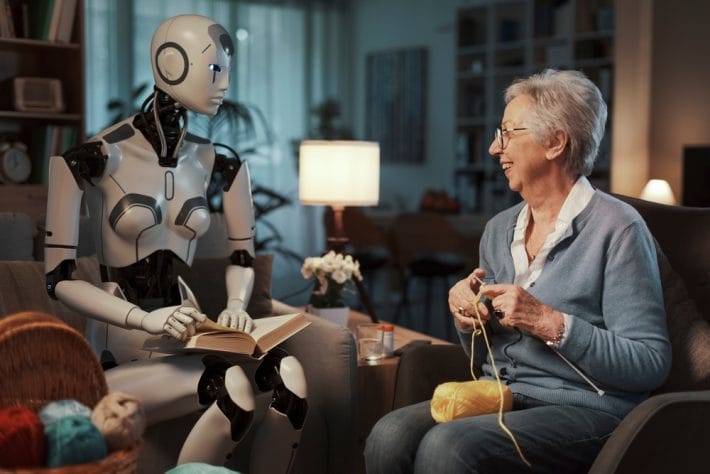
For many families caring for elderly loved ones, loneliness and emotional stress can be as difficult as physical health challenges. This is one of the reasons that robotic devices like PARO, ElliQ, and other “carebots” are popping up more and more in home care settings across the United States and abroad. These devices are designed to provide emotional comfort, gentle interaction, reminders, and social engagement for older adults living alone or experiencing dementia and cognitive decline. Unlike industrial robots, carebots are specially designed to feel approachable, calm, and supportive in everyday life. As the caregiver shortage continues to worsen, robotics technology is increasingly viewed as a supplement to human care rather than a futuristic innovation. Here’s what you need to know about this interesting trend.
PARO Was Designed to Simulate the Benefits of Veterinary Medicine
One of the most recognized care bots is PARO, a robotic baby harp seal developed in Japan for dementia treatment and elderly care. PARO responds to touch, sound, and interaction by moving, blinking, and making soft sounds designed to soothe users.
The researchers originally created the device to replicate the emotional benefits of animal-assisted therapy without the worry of allergies, bites, or the responsibility of caring for a pet. Research involving dementia patients has shown PARO can help reduce stress, agitation, and anxiety in some care settings.
Families often describe the device as comforting because it encourages good behavior and creates moments of emotional connection for adults who may feel isolated.
Caregiver Shortage Drives Interest in Carebots
Another major reason why carebots are gaining popularity involves the growing shortage of professional caregivers worldwide. Aging populations in countries such as Japan and the United States are placing great strain on home health care systems and long-term care facilities. Robots are increasingly being used to help reduce the emotional disconnect between caregiver visits instead of replacing human caregivers entirely. Devices like ElliQ can initiate conversations, suggest activities, and remind seniors to take medications or contact family members.
Some Studies Show Reduced Flexibility in Dementia Patients
Medical research surrounding carebots has grown exponentially in the past few years. Studies involving PARO and similar social robots have found measurable improvements in agitation, stress, and caregiver burden among some dementia patients. A randomized trial involving older adults with dementia found that multiple PARO sessions helped reduce caregiver stress in group home environments. Some reviews have linked robot-related use to reductions in loneliness and behavioral symptoms associated with dementia.
Although researchers caution that results vary from person to person, many caregivers say that even short-term calming effects can make difficult days manageable.
Families Use Carebots to Support Aging in Place
More seniors now want to stay in their own homes as long as possible instead of moving into assisted living facilities. Carebots are becoming part of the broader “aging in place” movement because they can help maintain habits, encourage engagement, and reduce feelings of isolation. Some robotic assistants provide medication reminders, wellness checks, video calling support, and chat interactions designed for adults.
Families caring for relatives with memory problems often find that robotic pets and companion devices provide comfort during long periods alone at home. This technology is especially attractive to the elderly who may not feel comfortable using smartphones or other sophisticated digital devices.
Cost Is Still One Of The Biggest Barriers
Even though interest is growing, carebots remain expensive for many households. PARO units typically cost between $5,000 and $7,000, depending on the provider and location. More affordable compatible devices like the ElliQ often involve a monthly subscription fee that can add up over time. Families already facing rising home care costs may find it difficult to justify another large technology purchase.
Carebots Are Growing Because Emotional Support Is Important Again
Loneliness, cognitive decline, lack of caregivers, and the desire to age are pushing many households to explore technology that provides emotional comfort and practical support. Devices like PARO are not miracle cures, nor can they replace human relationships or professional medical care. However, research and real-world experience suggest that robotic companions can provide emotional benefits for some older adults, especially those living with dementia or isolation. As healthcare systems continue to evolve, carebots are increasingly losing the notion of science fiction and becoming a practical tool that families are seriously considering.
Would you feel comfortable using a robotic device that accompanies you or an elderly loved one? Share your thoughts and experiences in the comments below.
What to Read Next
Why ‘Platonic Partnership’ Is Replacing Marriage For Seniors Seeking Friendship Without Legal Risk
Late Days: Why Many Seniors Say Friendship Is More Important Than Marriage After Age 65
AI Health Companions: $20 Tools Helping Seniors Stay Independent Longer

Drew Blankenship is a seasoned automotive expert with over 20 years of hands-on experience as a Porsche technician. Although Drew writes mostly about cars, he also brings his expertise to writing about money, technology and relationships. Based in North Carolina, Drew still fuels his passion for motors by following Formula 1 and spending weekends under the hood when he can. He lives with his wife and two children, who occasionally remind him to take a break from rebuilding engines.