10 Things You Can Do With Your Grandkids This Summer To Keep Them Busy And Off Screens

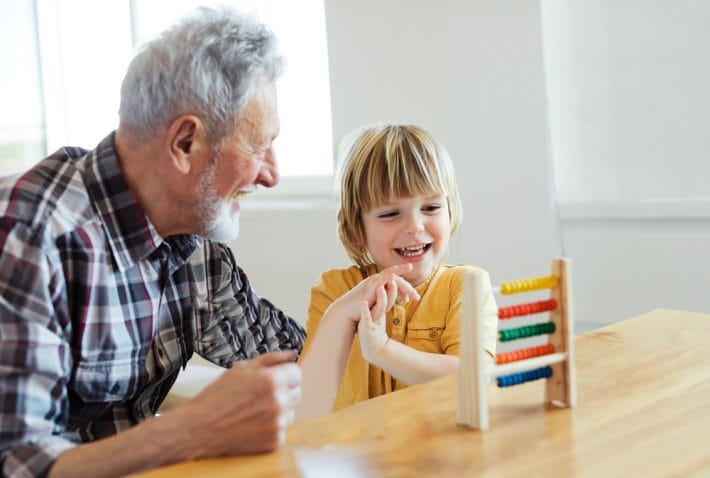
Summer can be magical for grandparents and grandchildren alike, but many families are facing the same challenge this year: too much screen time. Tablets, phones, video games, and streaming apps can quickly take over long summer afternoons if adults aren’t intent on creating other activities. Parents and grandparents across social media have been sharing growing concerns about children spending all day indoors, glued to devices instead of making real-world memories. But you can be a part of the change! Here are 10 things you can do with your grandchildren this summer that don’t involve screen time.
1. Create a Backyard “Grandma Camp”
One of the most popular ways among grandparents is creating a simple “Grandma Camp” at home. Some grandparents plan themed days with crafts, scavenger hunts, water games, and snack-making activities that give kids structure without feeling like school. A growing number of online grandparents say the experience works best because kids feel like they’re part of something special rather than just being “babysat.” You don’t need a lot of decorations or expensive things to make it fun. Even simple activities like making homemade lemonade, drawing sidewalk chalk drawings, or building blanket forts can make a child feel like summer is a new adventure.
2. Start a Garden Together
Gardening is one of the best screen-free summer activities because it keeps kids moving while teaching patience and responsibility. Grandchildren often enjoy watching tomatoes, flowers, herbs, or strawberries grow during the summer season. Gardening also promotes healthy eating habits because children are more likely to try the vegetables they helped grow. Grandparents can keep it simple with flower pots, raised beds, or even a few herbs on the porch or windowsill. Many adults also enjoy passing on gardening knowledge and family traditions while spending time outdoors together.
3. Visit the Local Library Every Week
Libraries have quietly become one of the free resources for grandparents during summer break. Many public libraries now offer summer reading challenges, free craft programs, scavenger hunts, STEM activities, and movie afternoons designed specifically for children. Some even lend museum passes, zoo tickets, and educational materials that families can use at home. Weekly library visits also help children avoid the “summer slide,” when reading and academic skills decline during recess. Best of all, libraries provide air-conditioned entertainment that doesn’t require spending money.
4. Teach them Old School Cards and Board Games
Most kids today rarely have old games because entertainment has shifted so much to apps and digital games. Grandparents can introduce grandchildren to card games like Go Fish, Crazy Eights, Uno, or Rummy and classic board games like Scrabble, Monopoly, and Candy Land. These games help children practice problem solving, patience, communication and healthy competition. Children also love to hear stories about the games their grandparents played growing up. Some grandparents even create “contest nights” where the winners receive small prizes such as choosing a dessert or the next activity for the family.
5. Have a Weekly Cooking or Baking Day
Cooking together is one of the easiest ways to keep kids engaged outside of screens while teaching them real-life skills. Grandchildren can help rise cookie dough, decorate cakes, make homemade pizzas, or prepare snacks, depending on their age. Children are often more willing to try new foods when they help prepare them. Cooking activities also create opportunities for conversation, storytelling, and family traditions to be passed on. Many grandparents say that recipes become some of the strongest emotional bonds children have as they grow up.
6. Create Simple Back Obstacle Courses
Kids have a lot of energy in the summer, and obstacle courses are an easy way to keep them active for hours. Online families say that kids often enjoy DIY lessons more than expensive entertainment centers because they can constantly reinvent themselves. Grandparents can use balls, pool noodles, hula hoops, buckets, jump ropes, cardboard boxes, or chalk lines to create challenges. Even simple activities like relay races, scooter trails, or “lava floor” games encourage movement and thinking. Physical activity is very important during the summer because children tend to be sedentary when the school day is over.
7. Create a Family Story Night
Grandparents have something that many children today desperately need: family stories and personal history. Weekly storytelling nights allow grandchildren to hear funny childhood memories, stories about their parents growing up, or family traditions from previous generations. Some grandparents pull out old photo albums and let the kids ask questions about relatives, holidays, or important family events. These conversations help children build a strong sense of self, emotional security, and family connection. Many children are surprisingly fascinated by hearing what life was like before smartphones and the Internet.
8. Go on Nature Walks and Scavenger Hunts
Nature walks are one of the easiest, most inexpensive, screen-free summer activities available almost anywhere. Grandparents can create simple scavenger hunts involving birds, flowers, pines, butterflies, rocks, or unusual leaves to keep kids engaged outside. Outdoor exploration encourages curiosity, observational skills, and healthy emotional development. Children who spend more time outside also tend to sleep better and feel less anxious during the long summer break. Even a short evening walk in your neighborhood can be a rewarding time to meet.
9. Let Them Help With Real Life Projects
Children often like to feel useful more than adults realize. Washing the car, planting flowers, organizing the garage, painting birdhouses, or helping with small household projects can make grandchildren feel proud and included. Experts say that giving children real responsibilities helps build self-esteem and independence. Grandparents can turn chores into games by creating small challenges or reward systems. Many children actually remember these simple activities that are shared with love rather than expensive recreational trips.
10. Make Summer About Memories, Not Perfection
Another important reminder for grandparents is that children do not need constant entertainment every second of the day. Many parenting discussions online emphasize that boredom often pushes children to become more creative and imaginative over time. Grandparents shouldn’t feel pressured to create a Pinterest-worthy summer full of non-stop activities. Some of the best childhood memories come from simple moments like eating popsicles outside, catching lightning bugs, or playing cards at the kitchen table. What children miss most is feeling loved, included, and connected.
Screen-Free Summers Can Create Lifelong Memories
Keeping the grandkids busy and screen-free this summer doesn’t require spending a fortune or planning elaborate vacations. Simple screen-free summer activities like gardening, baking, storytelling, scavenger hunts, and board games often create stronger memories than expensive electronics. Even small daily routines can become cherished traditions that children remember for decades.
What are your free screen-free summer activities to do with your grandkids? Share your ideas and traditions in the comments below.
What to Read Next
8 Gifts You Shouldn’t Give Your Grandchildren
7 Red Flags in Top Dating Profiles That Show a “Big Scam” Going On
Rule 529 ‘Rollover’: How Grandparents Can Rollover $35,000 to a Grandchild’s Roth IRA Tax-Free